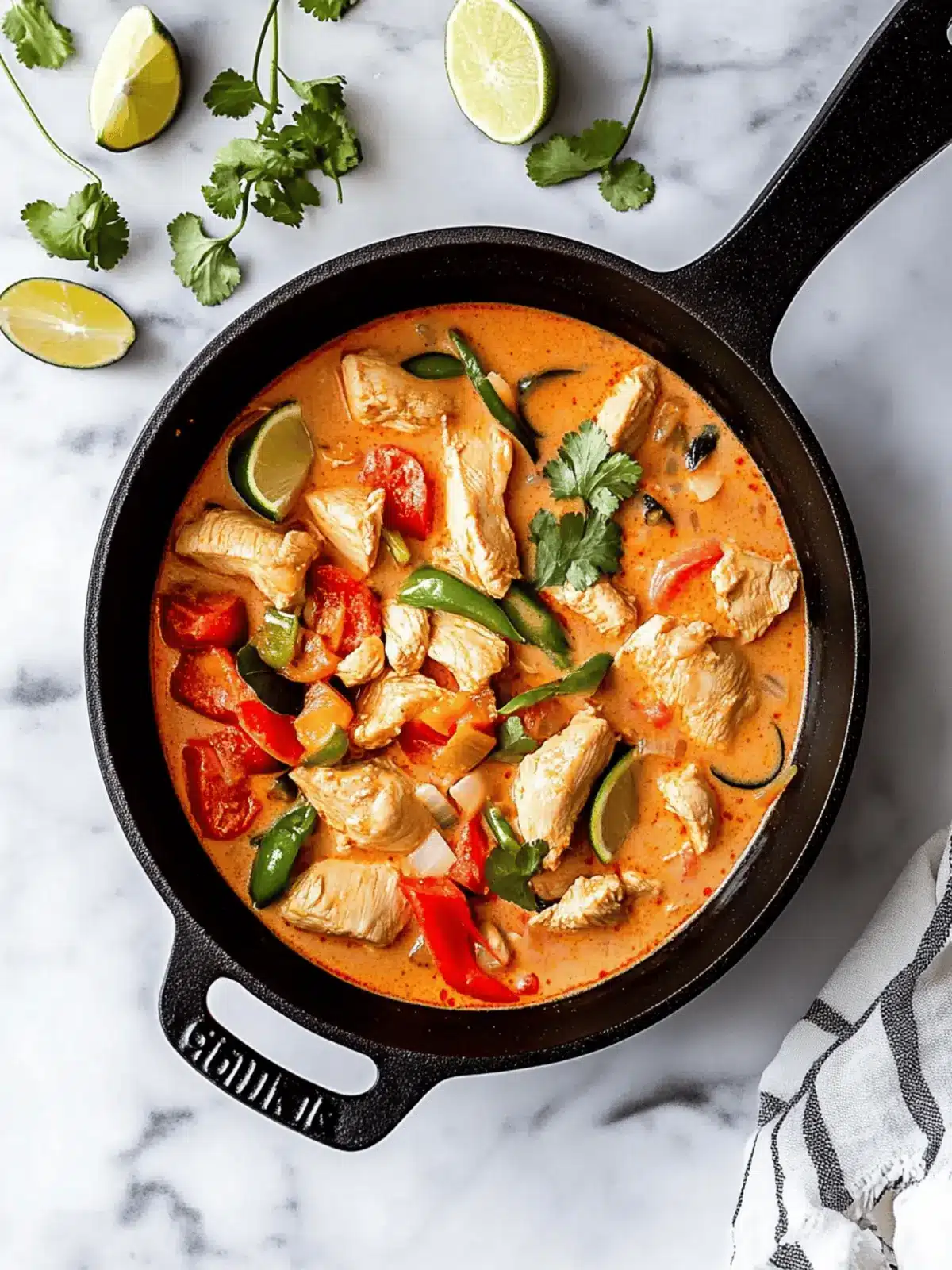
Taste Bangkok at Home: Authentic Thai Coconut Chicken Recipe
The very mention of Bangkok conjures images of bustling street markets, vibrant colors, and an irresistible symphony of sizzling woks and fragrant spices. For many, myself included, a single dish tasted amidst that exhilarating chaos can forever redefine their understanding of flavor. That dish? A creamy, yet brilliantly spicy Thai coconut chicken – a culinary masterpiece that seamlessly blends rich textures with invigorating aromas. It’s a taste memory so profound, so utterly captivating, that it compels a lifelong pursuit to recreate that magic in your own kitchen.
This article isn't just about a recipe; it's about an experience. It’s about bringing the soulful essence of Thai cuisine, particularly the comforting allure of Thai coconut chicken, right to your dining table. Imagine tender pieces of chicken, luxuriating in a velvety coconut milk sauce, infused with the zesty brightness of lemongrass, the pungent warmth of ginger, the fiery kiss of Thai chilies, and the subtle depth of galangal. Each spoonful is a journey, a harmonious dance of salty, sour, sweet, and spicy notes that are the hallmark of true Thai cooking. This dish is not merely a meal; it's an invitation to savor, to explore, and to delight your senses with every creamy, aromatic bite.
The Essence of Thai Coconut Chicken: A Symphony of Flavors
At its heart, Thai coconut chicken is a testament to the sophisticated balance that defines Thai gastronomy. Unlike many Western dishes that might focus on one or two dominant flavors, Thai cuisine thrives on a dynamic interplay of four to five core tastes: salty, sour, sweet, spicy, and savory (umami). This dish expertly weaves them together, creating a complex yet incredibly approachable flavor profile.
The foundation, of course, is coconut milk. Opt for full-fat coconut milk for that unparalleled richness and creamy texture that coats every piece of chicken and infuses the entire sauce with luxurious body. This isn't just a liquid base; it's a key flavor component, lending a subtle sweetness and a soothing counterpoint to the dish's more assertive elements. Beyond the coconut milk, the aromatic trinity of lemongrass, ginger (or galangal, its more floral and pungent cousin), and kaffir lime leaves are non-negotiable. Lemongrass offers a bright, citrusy perfume; ginger provides a warm, spicy zing; and kaffir lime leaves contribute a distinctive, intoxicating aroma that is uniquely Thai.
The fiery kick comes from Thai chilies, which can be adjusted to your preference, or from red curry paste. This paste is a concentrated blend of many ingredients – dried red chilies, shallots, garlic, galangal, lemongrass, kaffir lime zest, and more – traditionally pounded by hand in a mortar and pestle. While making your own paste is an art form, high-quality store-bought red curry paste makes achieving authentic flavors wonderfully accessible. Finally, fish sauce provides the essential salty and umami depth, while a squeeze of fresh lime juice at the end brightens the entire dish with a crucial sour note. The combination of these humble ingredients, meticulously balanced, transforms simple chicken into an extraordinary culinary experience.
Crafting Your Authentic Thai Coconut Chicken at Home: A Step-by-Step Guide
Recreating that Bangkok street food magic for your Thai coconut chicken at home is more straightforward than you might imagine. The key lies in understanding the process and respecting the individual components. Here's a guide to help you achieve that authentic taste:
- Prepare Your Chicken: Start with boneless, skinless chicken thighs or breasts, cut into bite-sized pieces. Thighs tend to stay more tender and flavorful, but breasts work beautifully too. Pat them dry to ensure they brown nicely. Some cooks like to lightly marinate the chicken in a touch of fish sauce and a pinch of sugar for extra depth, though this step is optional.
- Build the Aromatic Base: In a large skillet or wok, warm a little oil over medium heat. Add your chosen red curry paste and sauté it for a few minutes. This crucial step, known as "blooming the curry paste," releases its full aromatic potential and deepens its flavor. Stir constantly to prevent burning.
- Infuse with Aromatics: Add thinly sliced lemongrass, ginger (or galangal), and kaffir lime leaves. Sauté for another minute until fragrant. The scent filling your kitchen at this stage is truly captivating – it’s the smell of Thailand coming alive!
- Introduce the Coconut Milk: Pour in your rich, full-fat coconut milk. Stir well to combine it with the curry paste and aromatics. Bring the mixture to a gentle simmer, allowing the flavors to meld beautifully. You'll notice the sauce starting to thicken slightly and deepen in color.
- Cook the Chicken: Add your chicken pieces to the simmering sauce. Ensure they are fully submerged. Cook gently until the chicken is tender and cooked through, which usually takes about 8-12 minutes depending on the size of your pieces. Avoid overcooking, as this can dry out the chicken.
- Balance the Flavors: This is where the artistry comes in. Taste the sauce. Does it need more salt? Add a splash more fish sauce. Is it missing that essential tang? A squeeze of fresh lime juice will work wonders. Craving a touch more sweetness to balance the heat? A small pinch of brown sugar can do the trick. Remember the Thai principle of balance!
- Optional Veggies: For added color, texture, and nutrition, you can stir in some quick-cooking vegetables like bell peppers, snap peas, or broccoli florets in the last few minutes of cooking.
Serving Suggestions & Enjoying Your Culinary Creation
Once your Thai coconut chicken is perfectly cooked and the flavors are singing, it’s time to serve and enjoy. This dish is best savored immediately, when the chicken is at its most tender and the sauce is lusciously warm and fragrant. The classic accompaniment is fluffy jasmine rice, which serves as the perfect canvas to soak up every drop of the rich, aromatic sauce. For a lighter touch, you could also pair it with brown rice or even quinoa.
To truly elevate the presentation and add an extra burst of freshness, garnish generously. Fresh cilantro leaves are a must, providing a vibrant green contrast and a refreshing herbal note. Wedges of fresh lime on the side allow guests to add an extra zing of acidity to their liking, brightening the entire experience. A sprinkle of finely sliced red chilies or a drizzle of chili oil can further amplify the heat for those who crave an extra kick. Consider serving with a simple side of steamed greens like bok choy or gai lan for a complete and balanced meal.
Making the Most of Leftovers
Sometimes, the best meals taste even better the next day! Leftover Thai coconut chicken can be stored in an airtight container in the refrigerator for up to 3 days. When reheating, do so gently in a skillet over low heat or in the microwave. The key is to warm it through without overcooking the chicken, which can quickly dry it out. Add a splash of water or coconut milk if the sauce seems too thick.
While fresh is always best, freezing is generally not recommended for dishes with coconut milk as the sauce can sometimes separate upon thawing, affecting the creamy texture. However, if absolutely necessary, you can freeze it in an airtight container for up to 1 month. Thaw overnight in the refrigerator before gently reheating.
If you're looking for a quick and satisfying weeknight meal, explore options like Easy Thai Coconut Chicken: Your Go-To Flavorful Weeknight Dinner. And for those cozy evenings, a soothing bowl of Easy Thai Coconut Chicken Soup: A Comforting & Vibrant Dish offers a delightful variation on these cherished flavors, proving the versatility of this incredible ingredient combination.
Tips for Elevating Your Thai Coconut Chicken
While the basic steps will yield a delicious dish, a few insider tips can truly take your Thai coconut chicken from good to extraordinary:
- Quality of Ingredients: This cannot be stressed enough. Fresh lemongrass, vibrant ginger, and aromatic kaffir lime leaves make a huge difference compared to dried or pre-ground versions. Similarly, invest in a good quality, full-fat coconut milk for the creamiest result.
- Toasted Coconut: For an extra layer of flavor and texture, lightly toast some shredded coconut flakes in a dry pan until golden brown, then sprinkle them over the finished dish.
- Sweetness Balance: Thai cuisine often includes a touch of sweetness to balance the other strong flavors. A small amount of palm sugar or brown sugar can round out the dish beautifully without making it overly sweet. Add it gradually and taste.
- Fish Sauce Brand: Not all fish sauces are created equal. A high-quality fish sauce adds depth without an overpowering 'fishy' aroma. Experiment to find a brand you love.
- Customization is Key: Don't be afraid to adjust the spice level to your preference. Start with a smaller amount of curry paste or chilies and add more if you desire greater heat. You can also vary the protein – shrimp, firm tofu, or even beef can be excellent alternatives to chicken.
- Let it Rest: Like many curries, the flavors of Thai coconut chicken often deepen and meld further if allowed to rest for 10-15 minutes off the heat before serving.
Making Thai coconut chicken at home is more than just cooking; it's an immersive experience that transports your senses straight to the heart of Thailand. From the moment the aromatics hit the pan, you’ll be enveloped in a fragrant cloud that promises an unforgettable meal. It’s a dish that embodies comfort, vibrancy, and the exotic allure of Southeast Asian cuisine.
